How to Clean and Care for an Epoxy Garage Floor in Riverside

A dry dust mop once a week, a damp mop with a pH neutral cleaner when it gets grimy, and fast cleanup of spills will keep an epoxy garage floor looking good in Riverside. Most of the work is stopping grit and water before they do damage. The rest is knowing which products and habits quietly wear a coating down.
Start with dust, because grit does the damage
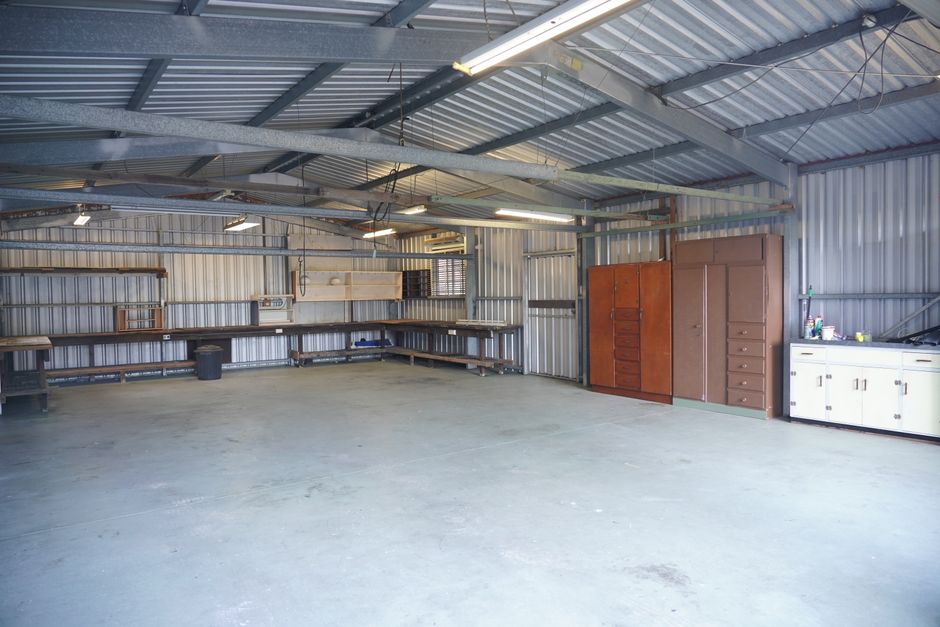
Dry dust mop or soft broom the floor at least weekly. In Riverside, do it more often during and after Santa Ana wind events. Fine windblown dust and grit act like sandpaper under shoes and tires, and they are the main reason traffic lanes go dull before the rest of the floor does.
Cut the grit off at the source with a walk-off mat outside the house entry door and at the side door. Most abrasive material arrives on shoes and tires, so stopping it at the threshold reduces wear across the whole floor.
Wet cleaning that does not dull the gloss
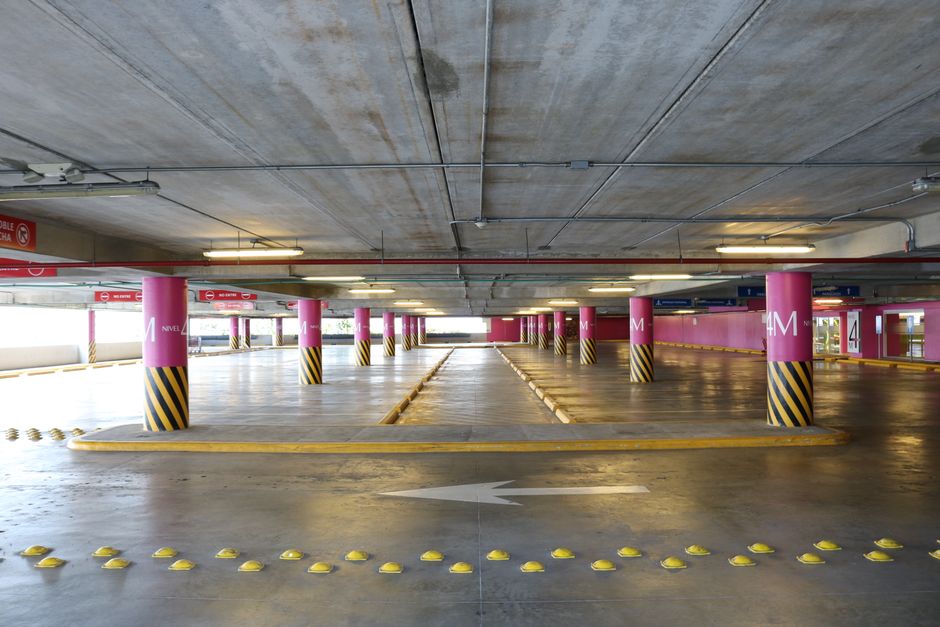
Use a microfiber or foam mop, warm water, and a pH neutral cleaner. The cleaner your coating maker recommends is the better choice if you have it. Skip soap-based products and anything sold as "mop and shine." They leave a film that dulls the finish and can make the surface slippery.
Citrus degreasers and acidic cleaners do not belong in the routine. Used repeatedly, they can etch the gloss and soften some topcoats. Keep a stronger degreaser for spot use only, and rinse it off afterward. Bleach and vinegar are not safe everyday choices either.
Hard water leaves white spots
Riverside tap water is hard. If a mopped or hosed floor air dries, the minerals stay behind as white spots. Squeegee the floor dry after wet cleaning. If spotting keeps coming back, do the final rinse with softened or distilled water.
Winter mud and wet floors
After winter rains, hose silt and mud out instead of letting it dry into a crust. Remember that a wet epoxy floor is slippery. A floor with no anti-slip aggregate in the topcoat needs extra care when wet, so walk slowly and keep a mat at the entry.
Spills: what to do and how fast
Speed matters more than the product. Blot first with paper towels, then wash the spot.
- Gasoline, paint thinner, other solvents, and brake fluid: wipe up right away. Brake fluid and some solvents can soften or stain epoxy if they sit.
- Antifreeze: clean it up immediately and dispose of the rags safely. It tastes sweet and is highly toxic to pets, and plenty of Riverside garages double as pet and laundry space.
- Battery acid: neutralize with a baking soda and water solution, then rinse. Left to sit, acid can etch and discolor the coating.
Pool chemicals and fertilizer
Many Riverside homes have pools, and the garage is a common place to park the chlorine. Chlorine products can discolor a coating through spills and through fumes. Keep pool chemicals and fertilizers in closed containers on a plastic tray. Granular fertilizer that gets wet can stain the floor as well.
Tools for stubborn marks
For tire marks, use a soft or medium nylon deck brush with your cleaner. Never use steel wool, wire brushes, or green abrasive pads. They leave permanent scratches, and scratches collect dirt.
For dried paint, glue, or caulk, use a plastic putty knife. Metal scrapers and razor blades gouge the surface.
Pressure washers
A pressure washer is fine with a wide fan tip, some distance, and moderate pressure. A narrow or turbo tip held close can lift edges, open up chips, and drive water under the coating at cracks. If you are unsure, a hose and a mop do the job.
What to put on the floor, and what to keep off it
Put plastic or rubber feet, or a plastic tray, under metal toolboxes, bikes, paint cans, and fertilizer bags. Moisture trapped under metal leaves rust rings that can stain the coating permanently.
Do not leave rubber-backed mats, stored tires, or some rubber parking mats in one spot for months. Chemicals in certain rubber compounds can migrate into the coating and leave yellow or brown stains.
Lift heavy items instead of dragging them. Set jack stands and floor jacks on plywood squares, since point loads and sharp edges can crack or chip the coating. Dropped tools and trailer tongue jacks are a common source of chips.
Never wax an epoxy floor. Wax makes it slippery, and it has to be stripped completely before any future recoat will bond.
Sun, heat, and the south-facing door
A garage door facing south or west, left open on sunny afternoons, exposes the floor to strong UV. Plain epoxy ambers and yellows in sunlight. A UV-stable topcoat such as polyaspartic or polyurethane holds its color much better. If yellowing near the door would bother you, ask what the topcoat is.
Summer heat brings up hot tire pickup, where tires lift the coating after a hot drive. The usual causes are poor surface prep, too thin a film, or a coating that had not fully cured. A parking mat only hides it. The real fix is a proper surface profile and a recoat. Hot tire pickup is not normal wear, and no amount of cleaning will cure it.
Signs that water is coming up from below
Watch for bubbling, peeling, or white powder pushing up through the coating. This often means moisture is rising from the slab. It is more likely on older slabs poured without a vapor barrier, and near sprinklers or planters that keep soil against the garage wall soaked. An epoxy coating does not stop slab moisture. Fix the water source first, then recoat, or the new coating will fail the same way.
Cracks, chips, and shaking ground
Riverside sits in active earthquake country, and slabs move with shaking and soil settlement. Cracks in the concrete will show through the coating, because epoxy does not repair cracked concrete. Seal small chips and hairline cracks promptly so oil and water cannot work underneath and spread the damage.
A yearly check and when to recoat
Once a year, inspect the floor in good light. Look hardest at the tire paths and the area in front of the workbench. When the gloss is clearly worn in the traffic lanes, recoat the topcoat. Do it before wear reaches the color coat or the flakes. Recoating at that stage is much simpler than a full redo.
A proper recoat needs scuff sanding, a thorough degrease, and a dust-free surface. New coating over a waxed, oily, or glossy surface will peel. New epoxy cannot be poured straight over an old coating without that prep.
Flake and dark colors help hide some marks, but they do not hide every stain and scratch for good. No coating lasts for life regardless of use, so the habits above are what stretch the time between recoats.
Caring for a brand-new floor
Wait for the full cure your installer specifies before driving on the floor or washing it. Light foot traffic is usually allowed much sooner than vehicles. Riverside heat speeds up curing, but it does not mean you can skip the wait. Check the timeline with the installer, since it depends on the products used.
A simple routine to follow
- Weekly: dust mop or soft broom, more often after Santa Ana winds.
- As needed: damp mop with a pH neutral cleaner, then squeegee dry.
- Right away: blot and wash any spill, especially antifreeze, brake fluid, solvents, and pool chemicals.
- Each season: check under toolboxes, bins, and mats for rust rings, moisture, or stains.
- Yearly: inspect for chips, cracks, bubbling, and worn gloss, and seal small damage promptly.
Follow that, and an epoxy garage floor stays easy to clean, safe to walk on, and ready for a recoat long before it needs a full replacement.